
A Tier-1 aerospace and defense company came to Ball Systems with a need: flight-line technicians needed to connect a digital multimeter (DMM) computer directly to an aircraft engine's diagnostic port to pull live fault codes in the field. Off-the-shelf cabling wasn't going to cut it. This needed to be built to print, to spec, and to last.
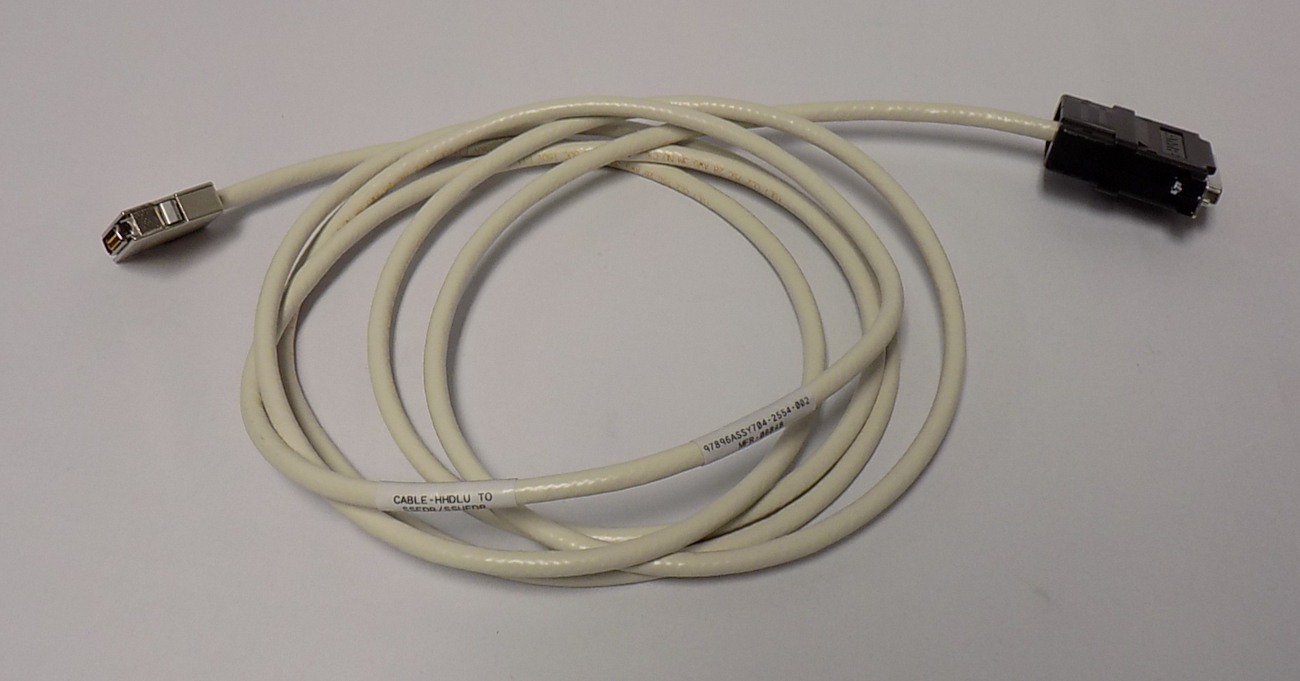
The result was a rugged, precision interface cable assembly with a 28-pin bus terminal connector on one end and a 25-position D-sub connector on the other, built to customer print.
On one end sits a keyed, gold-plated D-sub connector; on the other, a circular MIL-spec connector, joined by shielded, high-flex signal wire engineered to survive the vibration, temperature swings, and EMI-heavy environment of a flight line or maintenance hangar. Every assembly is built and tested against the customer's Acceptance Test Procedure, with data communication and continuity validated against flight and flight-simulated results before it ever leaves our facility.
And this wasn't a one-and-done build. The program has come back for repeat production runs, which, in this business, is the real review that matters. It means the OEM trusts Ball Systems to reproduce exact fit, form, and function order after order, without drama.
It's easy to think of a cable assembly as a commodity — wire, connectors, done. In practice, every custom cable that leaves Ball Systems goes through the same disciplined process, regardless of customer or industry:
That last point sounds small until you need it. A serial number on a label is what lets us trace a specific cable back to its exact build record years later — which components, which lot, which technician signed off on it. It's a small detail that makes a big difference the day someone needs an answer fast.
|
|
It's easy to think of a cable assembly as a commodity — wire, connectors, done. In practice, every custom cable that leaves Ball Systems goes through the same disciplined process, regardless of customer or industry:
That last point sounds small until you need it. A serial number on a label is what lets us trace a specific cable back to its exact build record years later — which components, which lot, which technician signed off on it. It's a small detail that makes a big difference the day someone needs an answer fast.
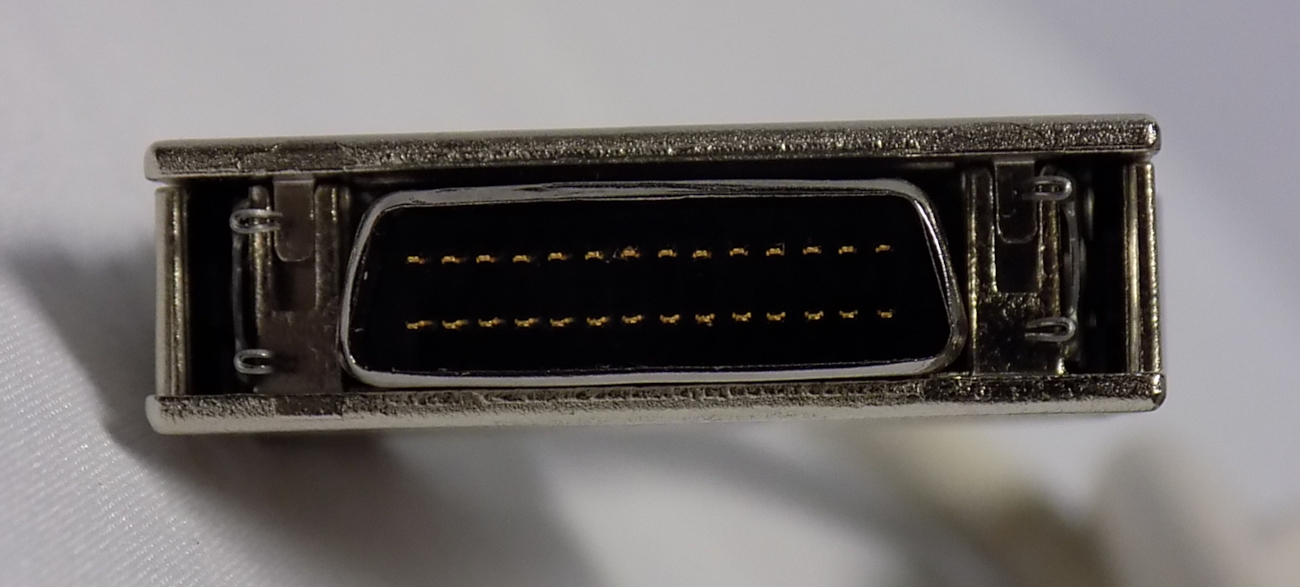
This companion build-to-print cable assembly is labeled for an HHDLU-to-55FDB/55HFDB interface. It pairs a 28-pin bus terminal connector on one end with a 25-position D-sub connector — a punch-contact receptacle, complete with matching spring latch and backshell — on the other, joined by 13-pair, 28 AWG cable.
Every termination is wrapped in Kapton insulating tape, sealed with RTV silicone adhesive, and protected with heat-shrink insulation at the strain relief, then finished with a permanent, individually printed cable label for full lot traceability before it ships. It's built to a standard 4-week lead time, quoted and tracked through our standard build-to-print process.

Ball Systems creates, develops, and delivers custom test systems and produces comprehensive build-to-print systems for companies that craft or manufacture critical electronic or electromechanical components for aerospace and defense, automotive, and consumer appliance applications.