

Walk into almost any depot or manufacturing floor supporting a legacy aircraft program, and you'll find at least one test rig that's been running longer than some of the people maintaining it. The chassis still works. The fixture still holds the unit under test. But the instrumentation inside is running on boards nobody manufactures anymore, the documentation is a photocopy of a photocopy, and the one technician who really understood the wiring retired two years ago.
That's not a hypothetical. It's routine for many aerospace and defense programs and it's one of the problems Ball Systems gets called in to solve quite often.
Mission-critical assets don't get retired on your schedule. Programs get extended, sustainment windows stretch from years into decades, and the test equipment built to support them was never designed to last that long. Somewhere in that gap, a component goes end-of-life, a software license stops being supported, or the only vendor who could source a replacement part closes its doors.
At that point, you have three options: pay a premium for gray-market parts and take your chances, freeze the program while you figure out a new plan, or start over with a modern platform. We've spent 60 years helping customers take the third option and do it without losing test continuity or reworking a validated test method from scratch.
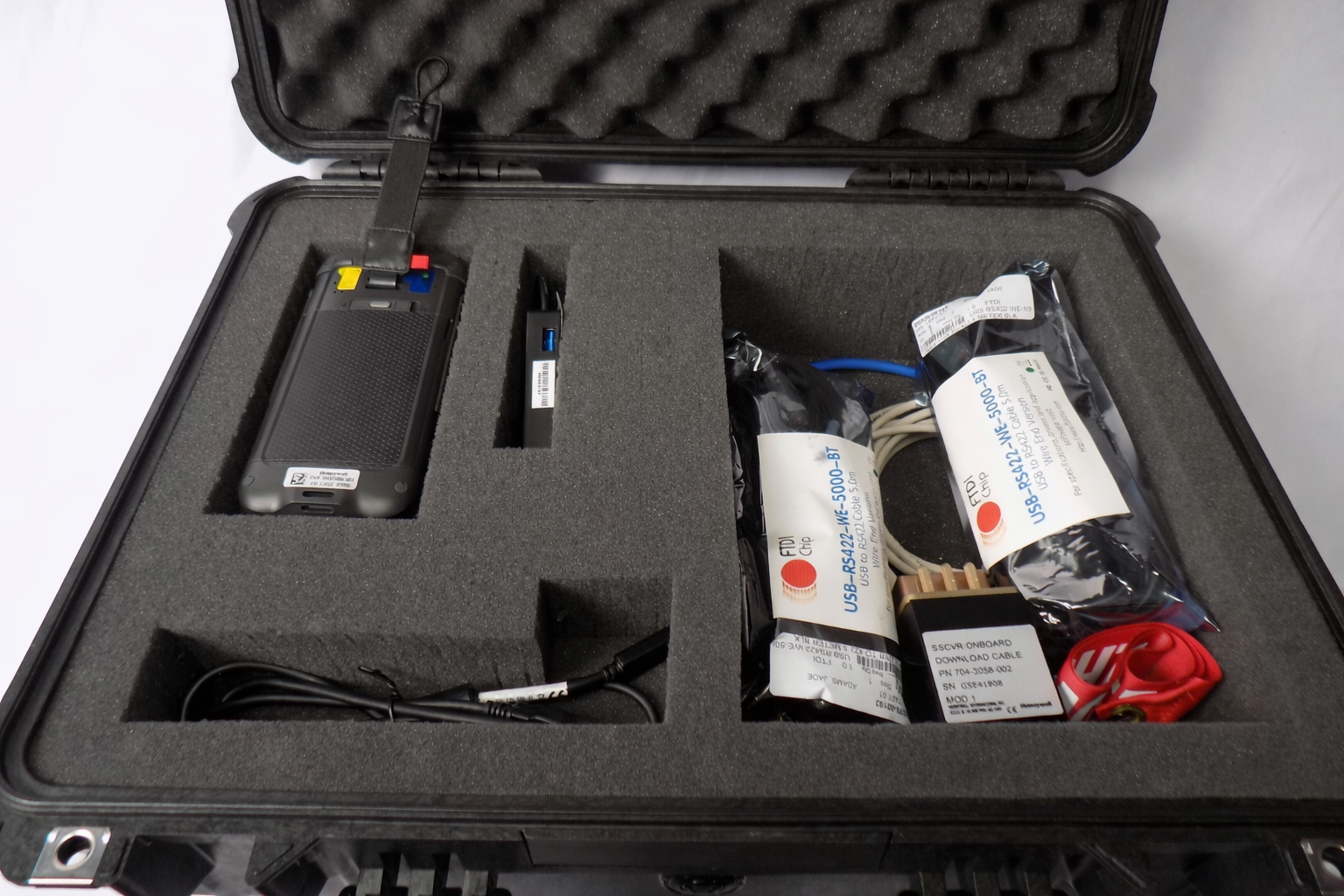
When we assess a legacy test system for modernization, the conversation almost always turns to National Instruments' PXI platform. There's a reason for that beyond familiarity. PXI's modular, open architecture means we're not locked into a single vendor's roadmap or a single generation of hardware. If a module goes obsolete five years from now, it gets swapped — not redesigned from the ground up.
That matters more in defense and aerospace than almost anywhere else. A digital avionics interface has to keep working reliably for the life of the program, not just the life of the original test engineer's tenure. PXI's instrument density and the breadth of the NI ecosystem - LabVIEW for the application layer, TestStand for sequencing, cRIO or cDAQ where real-time or ruggedized data acquisition is needed to give us the flexibility to rebuild a test system's function without forcing your team to relearn how it operates.
We've applied this exact approach to legacy flight recorder test equipment, training PCAs used in fighter jet simulators, and automated flight termination unit test systems. These are programs where "we'll just build something new and hope it behaves the same" isn't an acceptable answer. The goal in every one of those projects was functional continuity: the replacement system produces the same pass/fail confidence the legacy rig did, just without the obsolescence risk sitting underneath it.
Here's the part that surprises people: the hardest piece of a legacy rig replacement usually isn't the electrical design. It's reconstructing what the original system actually did, because the documentation that shipped with it in 1998 doesn't reflect the three field modifications made since. Our engineers spend real time on the bench with the legacy hardware before we ever spec a replacement, including tracing signal paths, verifying what the fixture is doing versus what the drawing says it's doing, and building requirements baseline you can trust

Ball Systems creates, develops, and delivers custom test systems and produces comprehensive build-to-print systems for companies that craft or manufacture critical electronic or electromechanical components for aerospace and defense, automotive, and consumer appliance applications.




Blog Comments