

A prototype test system and a manufacturing-ready test system can do the same job on paper. One of them is built to prove a concept works. The other is built to work the same way a thousand times in a row, serviced by someone who wasn't in the room when it was designed. The two rarely require the same engineering discipline, and treating them as interchangeable is one of the more expensive mistakes a program can make.
A prototype test system exists to answer one question: does this design work? It's built fast, often by the engineer who designed the unit under test, using whatever fixtures, cabling, and software get the job done. That's not a criticism. It's exactly what a prototype should do. Speed and flexibility matter more than repeatability at that stage, because the goal is validating an idea, not shipping a production tool.
The problem starts when that prototype gets treated as a finished product instead of a proof of concept. A test sequence hardcoded with assumptions specific to one unit. Wiring that works but isn't documented. A software interface only one engineer fully understands. None of that matters for a single build. All of it matters the moment a second technician, a second shift, or a second facility needs to run the same test.
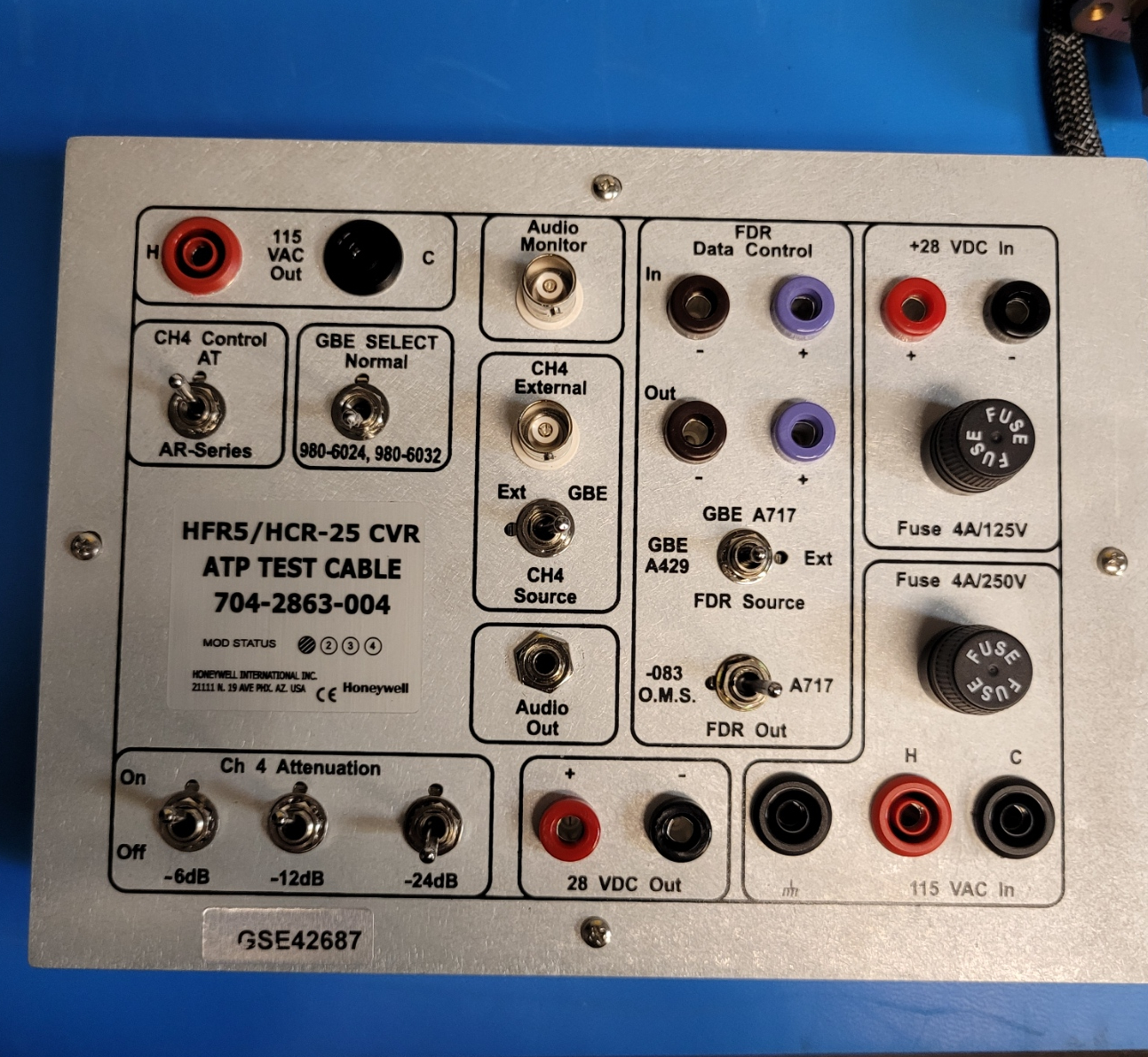
A manufacturing-ready test system is built for a different set of constraints entirely: repeatability, maintainability, and a service life measured in years, not weeks. That means documented pass/fail criteria instead of an engineer's judgment call, a wiring and cabling standard that any trained technician can troubleshoot, and build-to-print execution that doesn't rely on tribal knowledge to keep the system running.
It also means designing around obsolescence before it's a problem. A prototype can get away with a component that's already end-of-life, because it only has to run for the length of a validation cycle. A production-ready system has to keep running for the life of the program it supports, which is often a decade or longer in aerospace and defense, meaning architecture decisions made on day one determine how expensive year seven becomes.
The gap between the two rarely shows up as a single failure. It shows up as a slow accumulation of workarounds: a test that only passes when the original engineer runs it, a fixture that needs to be rebuilt because it was never meant to survive repeated use, a software tool that can't be modified without breaking something else. None of these stop a prototype from doing its job. All of them stop a production line from scaling.
This is the same gap covered in Reducing Risk in Complex Build-to-Print Test Systems. A risk that's cheap to catch during design review becomes expensive the moment it's discovered on the production floor. The prototype-to-production gap is one of the most common places that risk hides, because a system that clearly works can still be completely unready to manufacture against.
Moving from prototype to manufacturing-ready isn't about starting over. It's about a disciplined review of what changes when the goal shifts from "does it work" to "will it keep working, for years, in someone else's hands." That review should cover documentation completeness, component lifecycle risk, test system maintainability, and whether the design can actually be repeated at the volume the program requires.
Programs that skip this step don't find out until they're already scaling, which is the most expensive time to discover that a system built to prove a concept was never built to be produced. Programs that build this review into their process from the start end up with systems that scale the way they were meant to: predictably, and without the rework bill that shows up when "it worked in the lab" turns out to be a different standard than "it works on the line."
If your program is approaching that transition, it's worth having the conversation before the schedule forces it.

Ball Systems creates, develops, and delivers custom test systems and produces comprehensive build-to-print systems for companies that craft or manufacture critical electronic or electromechanical components for aerospace and defense, automotive, and consumer appliance applications.



Blog Comments