

Every build-to-print test system carries risk. The question isn't whether it exists. It's whether it gets caught on paper in week two or discovered on the production floor in month eighteen.
The more complex the system, the more places risk can hide. It could be a drawing package that looks complete until someone tries to build from it, a component that's been discontinued since the last print revision, or a software architecture that works fine for the prototype but falls apart at scale. None of these show up as a single dramatic failure.
They show up as a slow accumulation of small gaps that eventually become a missed ship date, a blown budget, or a system that technically passes acceptance but never quite performs the way the engineer who designed it intended.
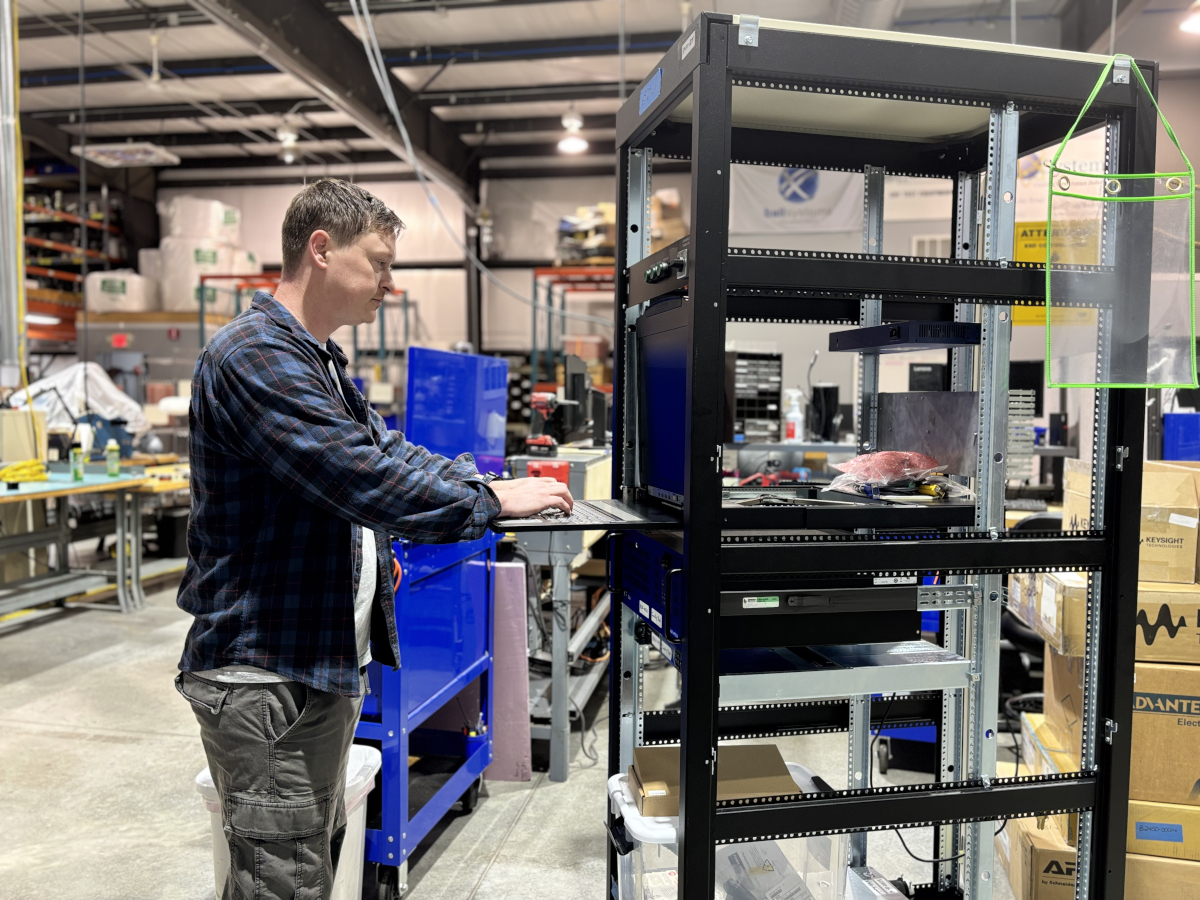
After six decades building test systems for aerospace, defense, and automotive programs, we've learned that risk in build-to-print work rarely comes from the build itself. It comes from everything around it, including the completeness of the print, the clarity of the acceptance criteria, the health of component supply, and how well both sides communicate when (not if) something doesn't go exactly to plan.
A drawing package can look finished and still be full of gaps. Missing tolerances, undefined pass/fail criteria, a mechanical spec that was never actually validated against the electrical design. These are the kinds of details that don't stop a quote from going out, but they will absolutely stop a build from going smoothly.
This is why a thorough quoting process matters more than it gets credit for. Before a number ever reaches a customer, every drawing, schematic, and BOM needs to be picked apart line by line: What's obsolete? What's on long lead? What's ambiguous enough that two different technicians would build it in two different ways? Catching those questions during quoting is inexpensive. Catching them during assembly is not.
The build-to-print systems that go sideways almost always trace back to the same root cause: the design was never actually built or prototyped before it was released for production, so the print reflects intent rather than reality. That's not a knock on the engineers who wrote it. It's simply the nature of the first time anyone tries to manufacture something. The job of a build partner is to find those gaps early and put them back in front of the customer, not build around them and hope for the best.
See Why Smart Primes Outsource Build to Print>
A simple fixture with a vague spec is an inconvenience. A multi-vendor, multi-instrument test stand with software integration, custom load simulation, and long-term calibration requirements is a different animal entirely.
This is where an open, vendor-neutral architecture earns its keep. Systems built around National Instruments’ PXI, cDAQ, and cRIO platforms, integrated alongside other COTS instrumentation where it makes sense, give programs flexibility that a single vendor “science project” doesn't: components can be swapped as they go obsolete, software can be maintained without depending on one engineer's tribal knowledge, and the system isn't locked to a supplier relationship that might not exist in ten years. For programs with long service lives (and in aerospace and defense, service lives are long), that flexibility isn't a nice-to-have. It's risk management built into the architecture itself.
In nearly every complex build, the as-designed and as-built systems drift apart. A switch spec'd on the print doesn't fit. A hardware value gets substituted because the original went obsolete mid-project. An engineer discovers, three months in, that a bracket needs a different fastener than the drawing called for.
None of that is unusual, and none of it has to be a problem…as long as it's captured. Marking up drawings in real time, getting customer approval on every deviation before it happens, and delivering a clean, accurate documentation package at the end of the project is what keeps “what we actually built” and “what the customer thinks they got” from becoming two different things. Skip that step, and you haven't eliminated the risk. You've just deferred it to whoever tries to service, requalify, or replicate that system five years from now.
Ask anyone who has run a large build-to-print program what went wrong on the projects that struggled, and the answer is rarely a technical one. It's usually a communication one: a question that sat unanswered for two days, a scope change that never got formally acknowledged by both sides, a single point of contact who wasn't available when a decision needed to be made.
Complex systems generate questions. The difference between a project that stays on track and one that slowly drifts off schedule is how fast those questions get answered and how clearly both sides agree on what “done” looks like before the build ever starts. That means a dedicated point of contact who owns the relationship, not a ticket queue. It means defined acceptance criteria in writing, not a verbal understanding that two people remember two different ways six months later. And it means treating a scope change as a scope change the moment it happens, not something that gets negotiated retroactively when the schedule has already slipped.
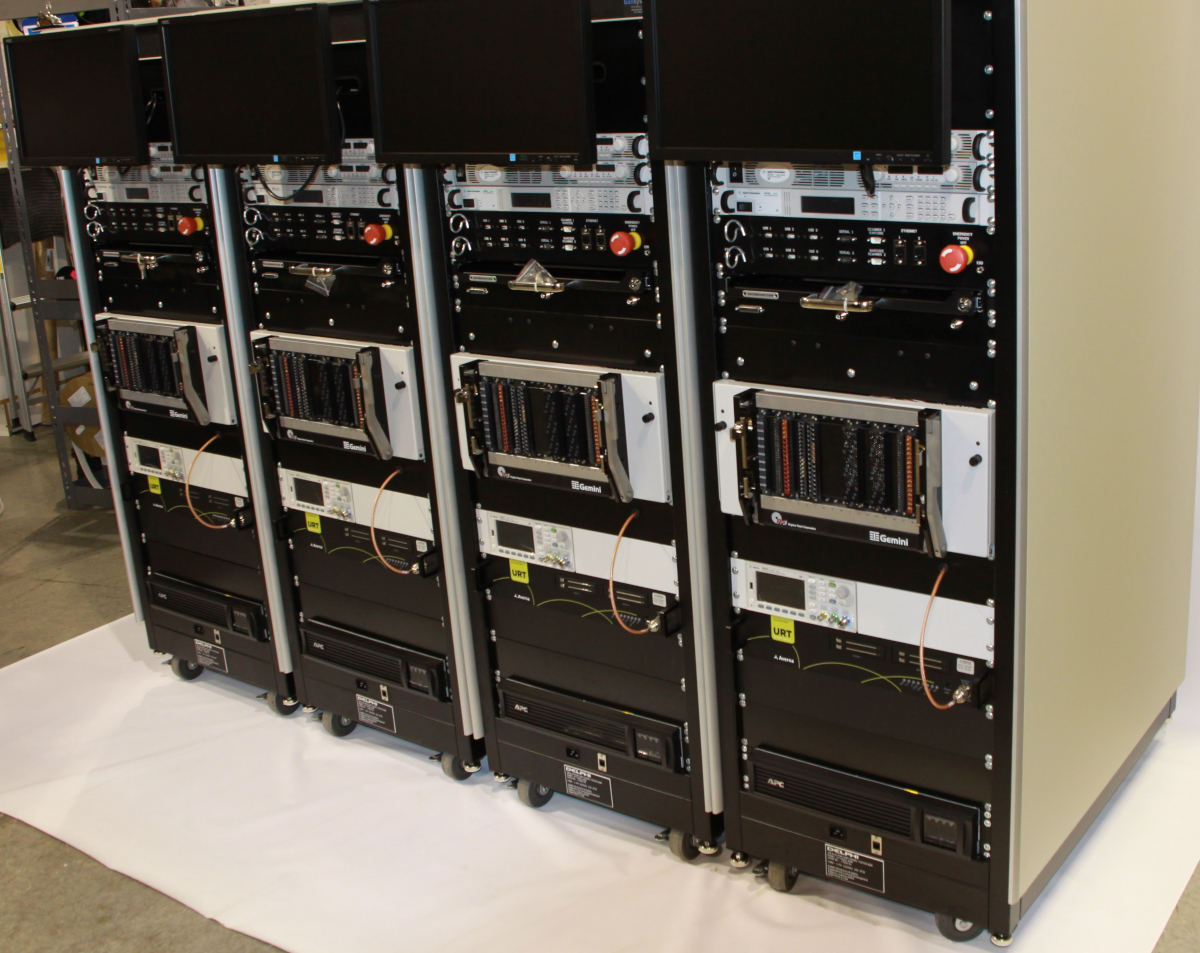
No process eliminates risk from a complex build. Anyone who tells you otherwise hasn't built enough of these systems. What a disciplined, gated process does is ensure risk is identified while it's still cheap to fix: during quoting, during design review, during the first-article build, and not after 40 units are already on the line.
That's the difference between a build-to-print partner who executes a print and one who protects the program behind it. The print tells you what to build. Everything described above is what makes sure it gets built right, on schedule, and in a way that still makes sense to service five years from now.

Ball Systems creates, develops, and delivers custom test systems and produces comprehensive build-to-print systems for companies that craft or manufacture critical electronic or electromechanical components for aerospace and defense, automotive, and consumer appliance applications.






Blog Comments